William & Mary
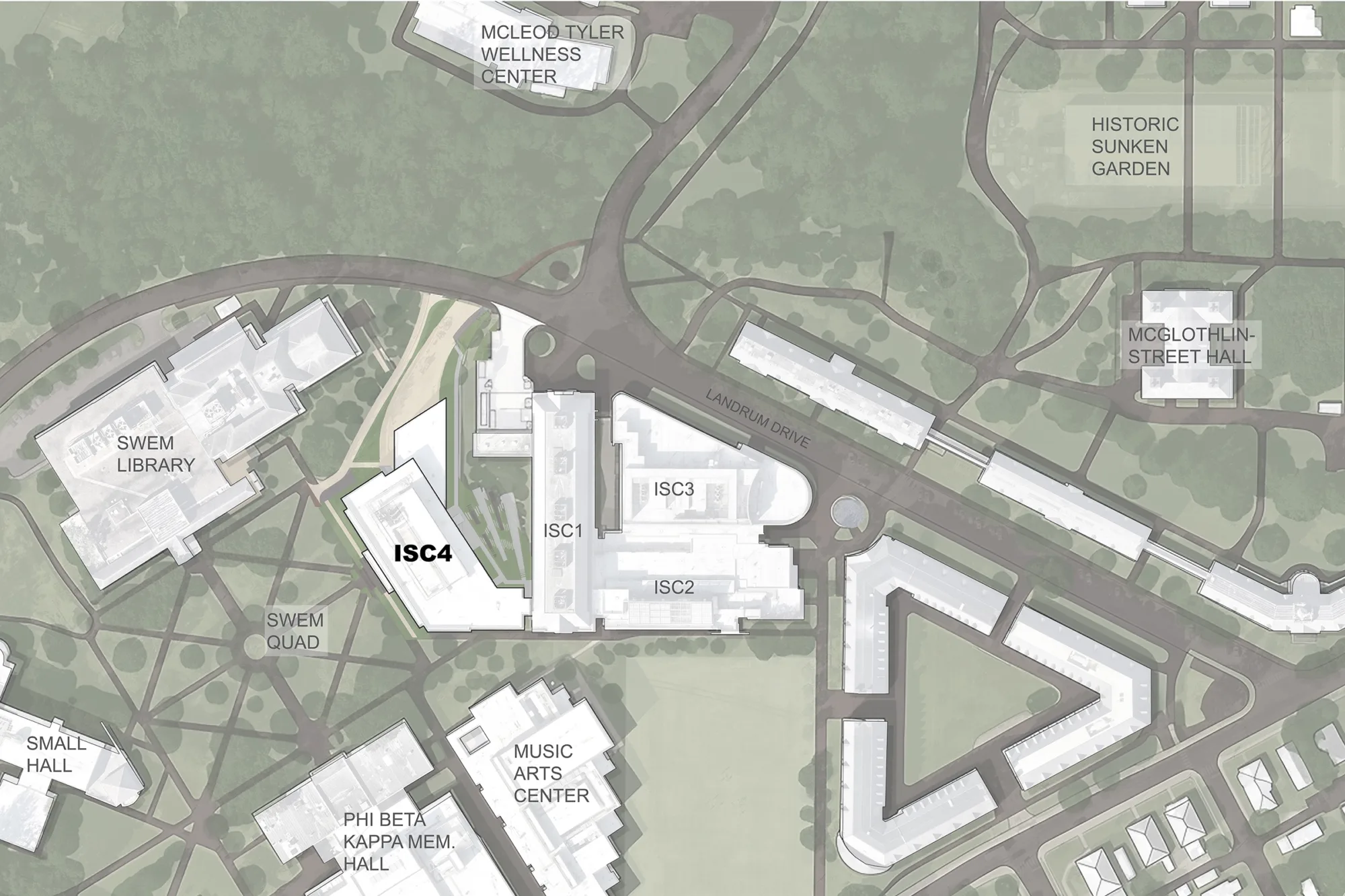
Integrated Science Center 4
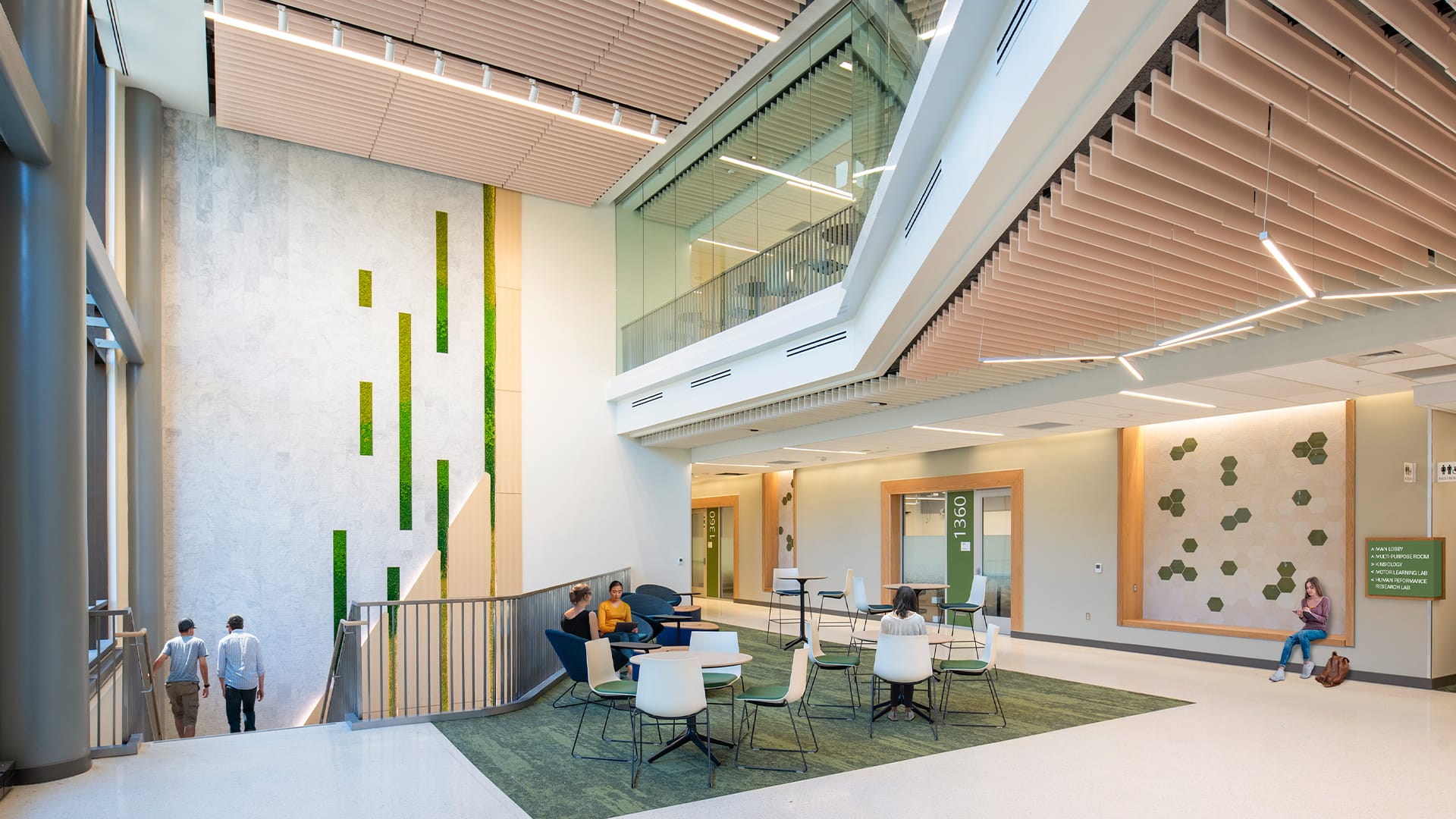
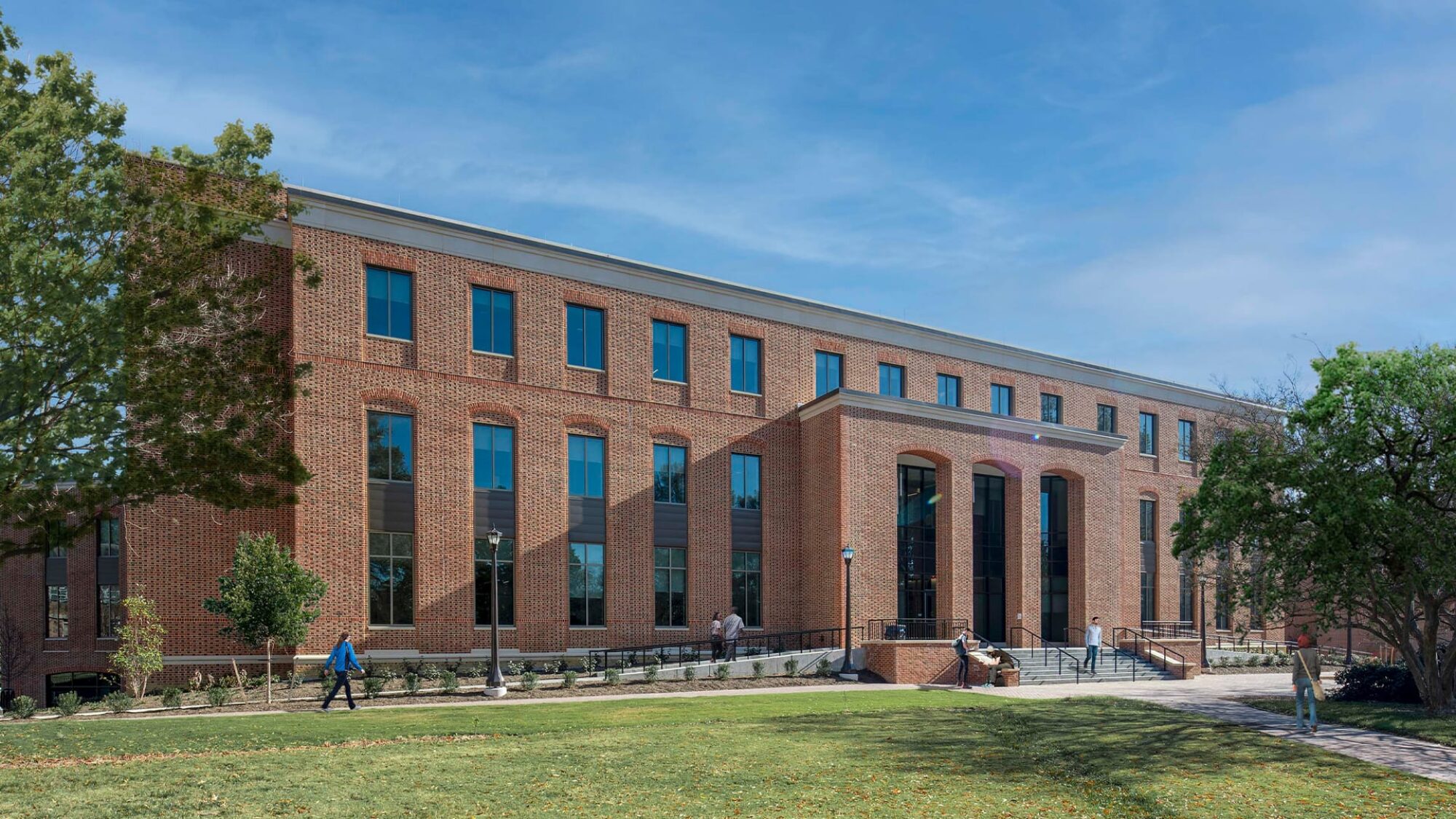
As the capstone of the Integrated Sciences Complex, ISC4 establishes a unified new home for computing, data science, and engineering at the center of campus life.
-
Location
Size
Program
Practice area
Certifications
A defining moment for Computational Sciences
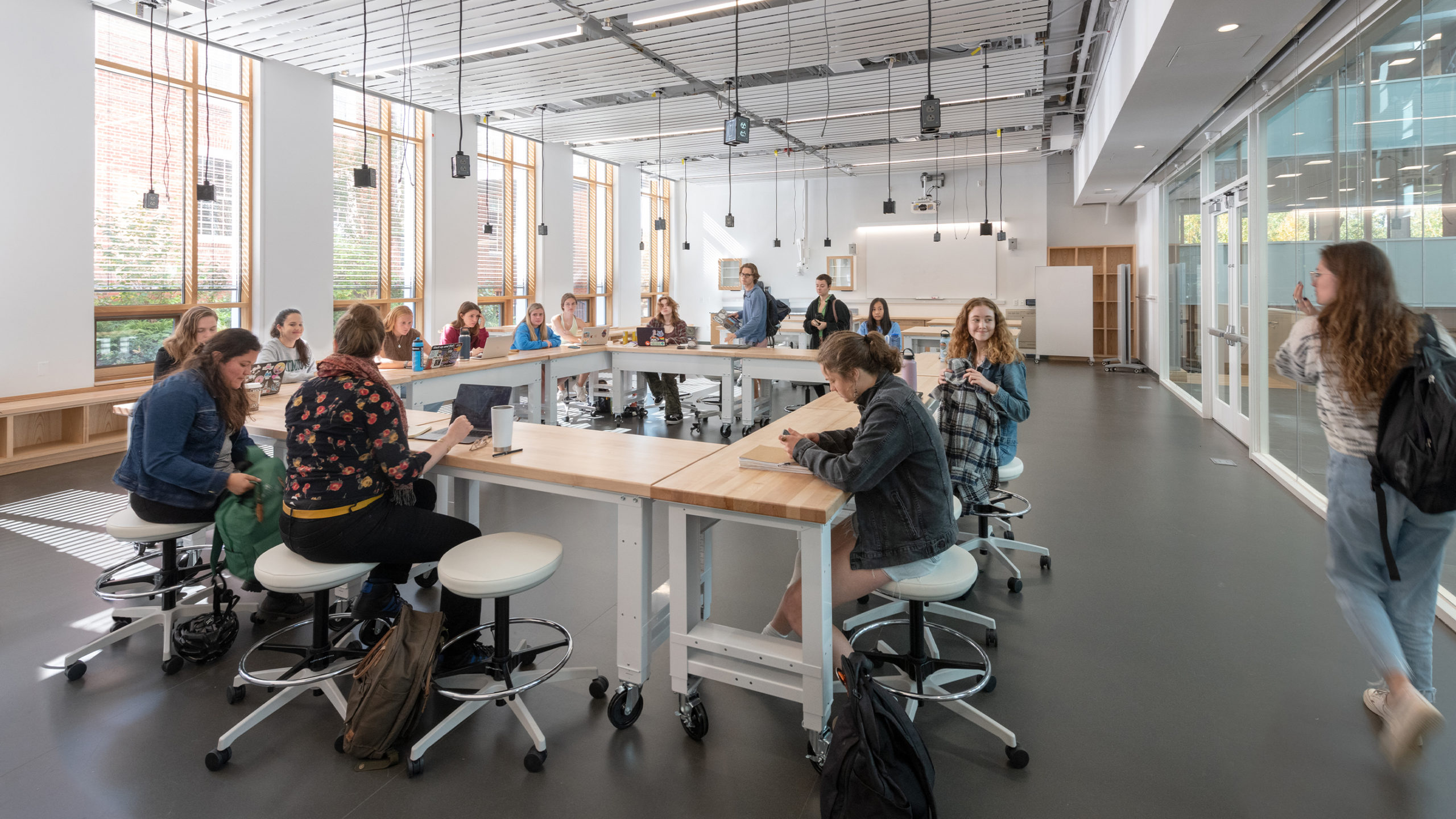
William & Mary’s Integrated Science Center IV brings together three rapidly growing disciplines—Computer Science, Data Science, and Engineering—into a single, dynamic home. Previously dispersed across campus, these departments now share space designed to support hands-on learning and collaborative problem-solving.
ISC4 is a major step forward for William & Mary’s academic vision. By bringing these departments together in one purpose-built space, we are expanding what interdisciplinary research and education can achieve.
Designed for interdisciplinary exchange
Creating space for interdisciplinary exchange was a defining objective of ISC4. While earlier phases of the complex delivered high-quality labs, they offered limited shared space for departments to converge.
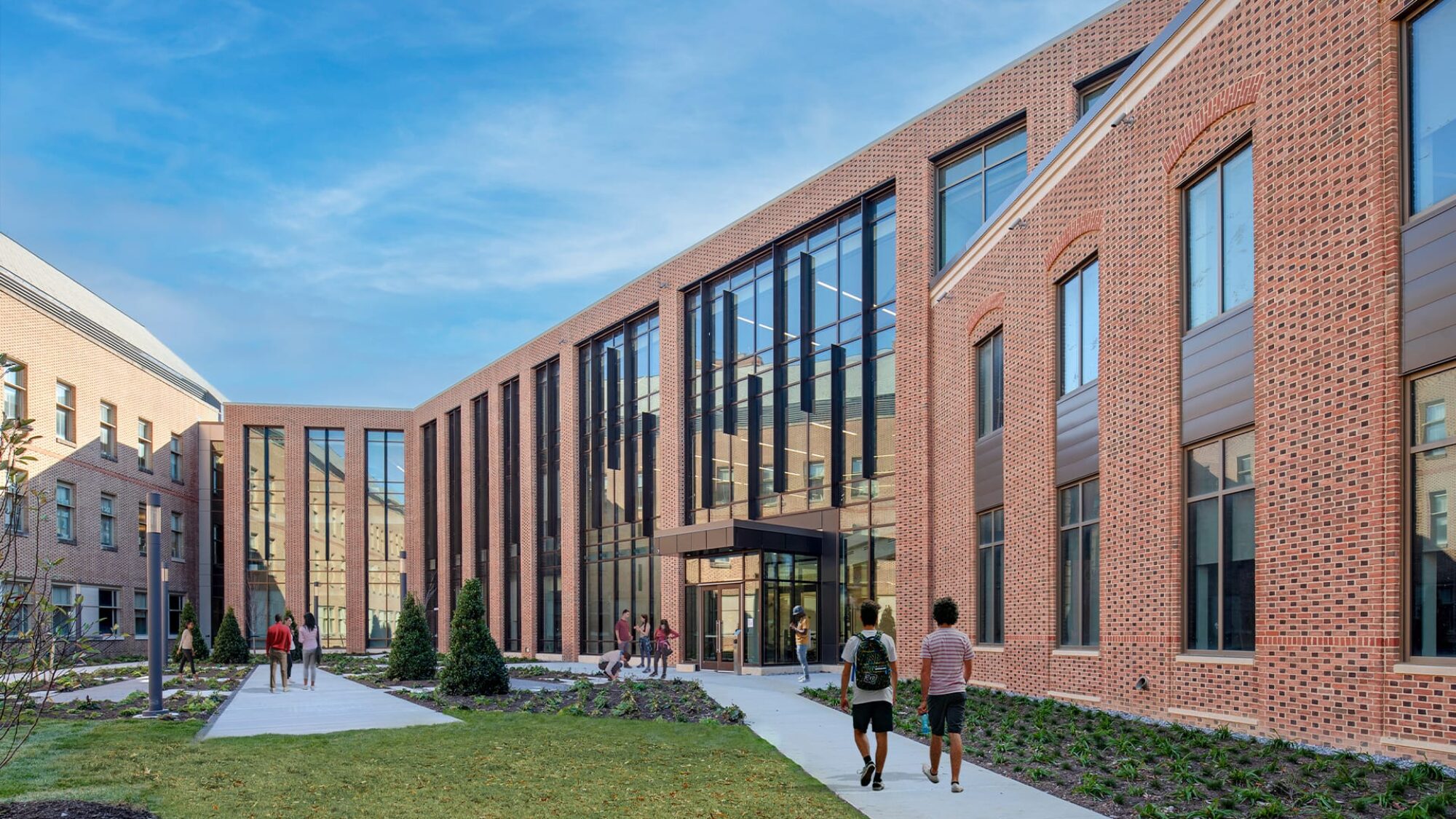
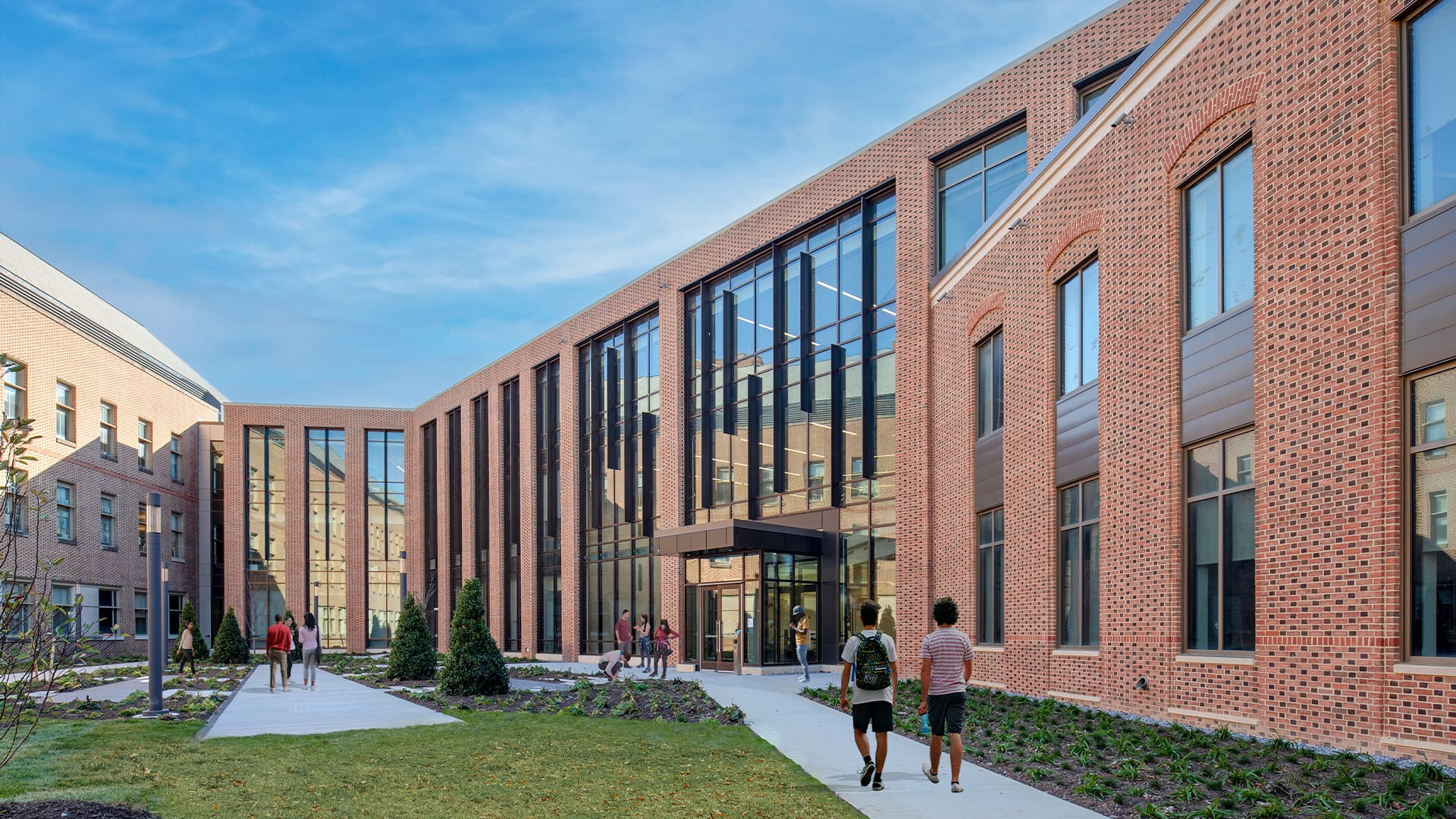
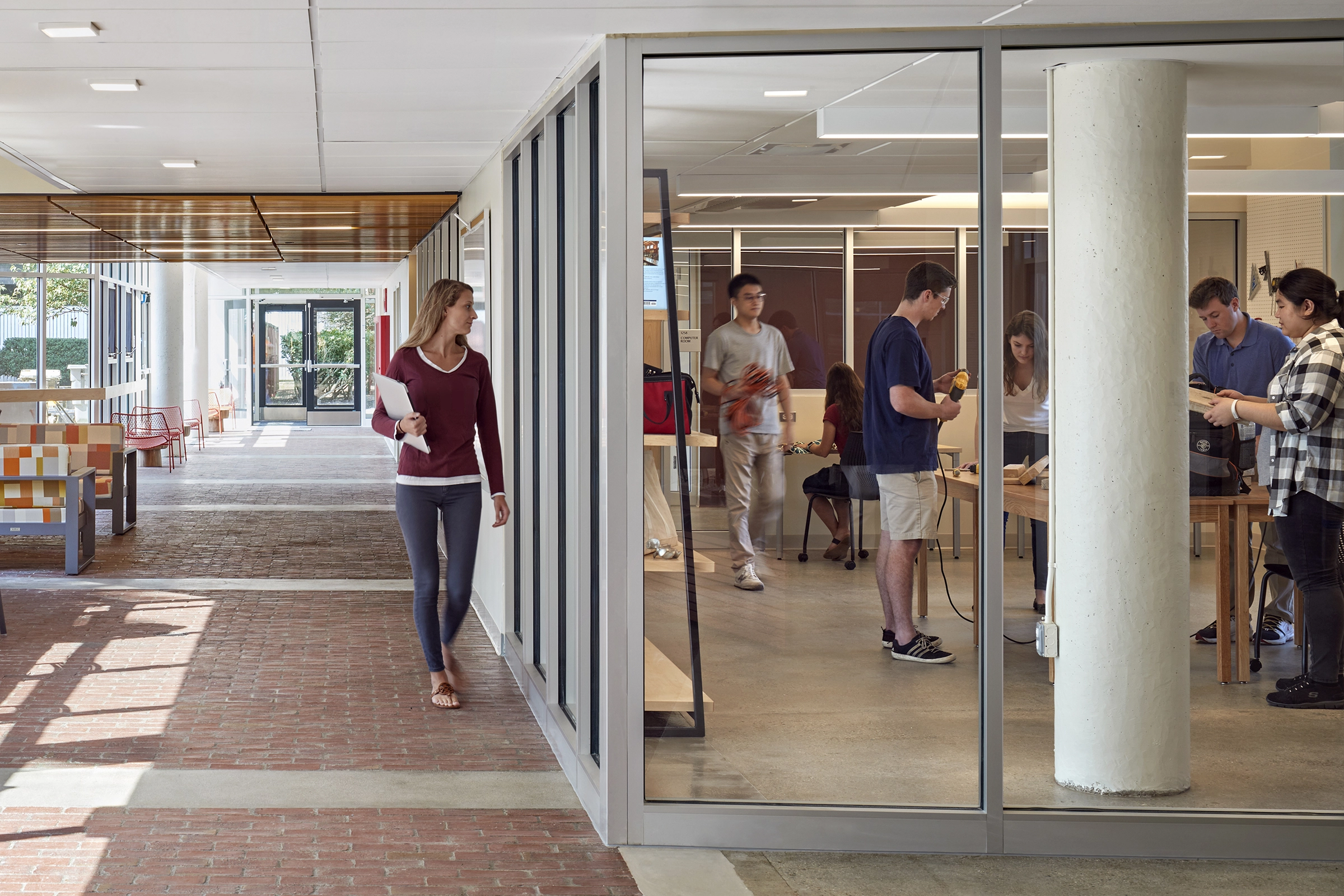
ISC4 introduces a multi-story hub that anchors the building and opens directly to the courtyard, serving as the precinct’s primary gathering space. Beyond this core, collaboration is embedded throughout—recessed seating along corridors, transparent lab fronts on main circulation routes, and small meeting rooms between departments—so collaboration becomes part of everyday academic life.
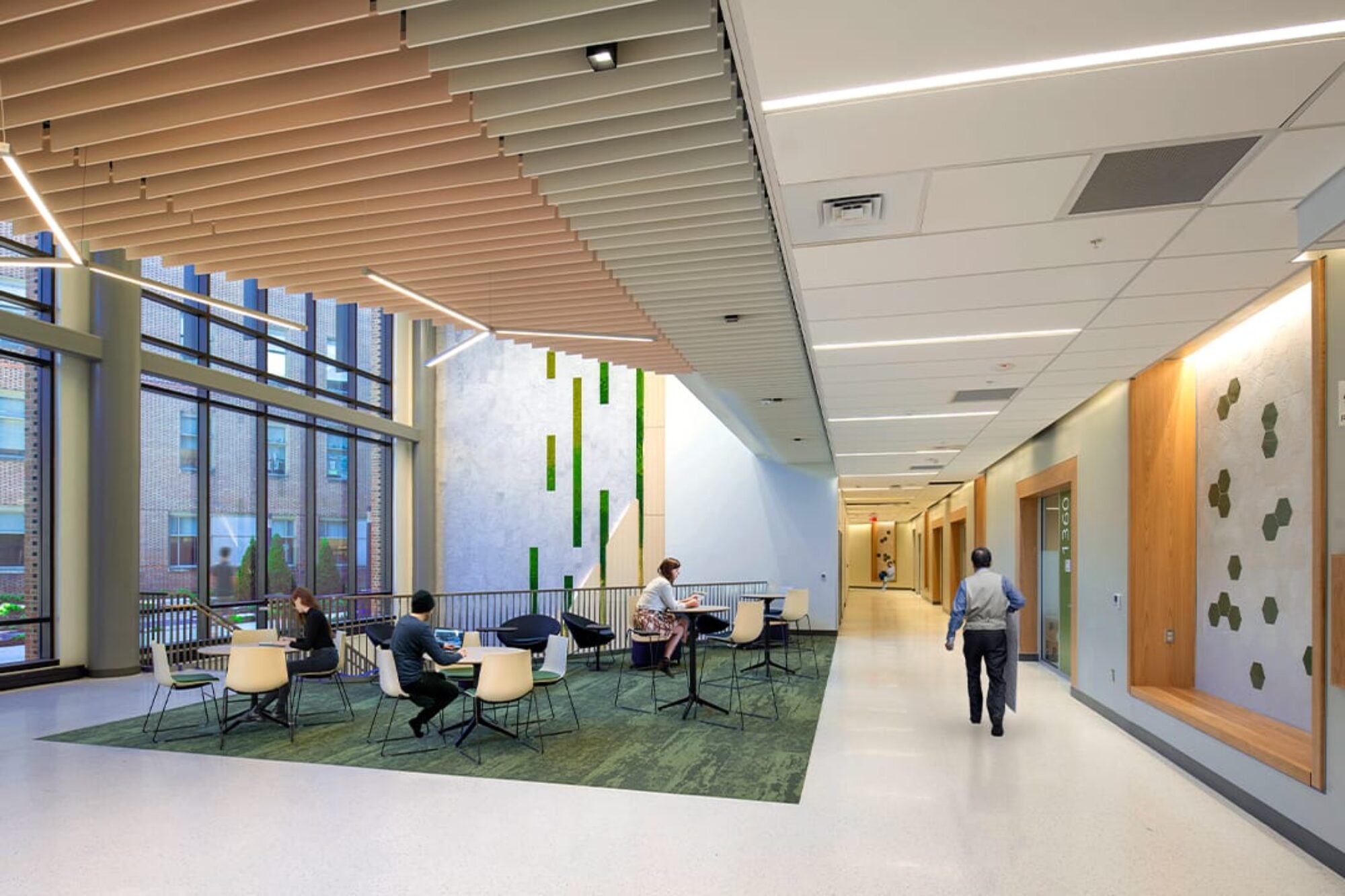
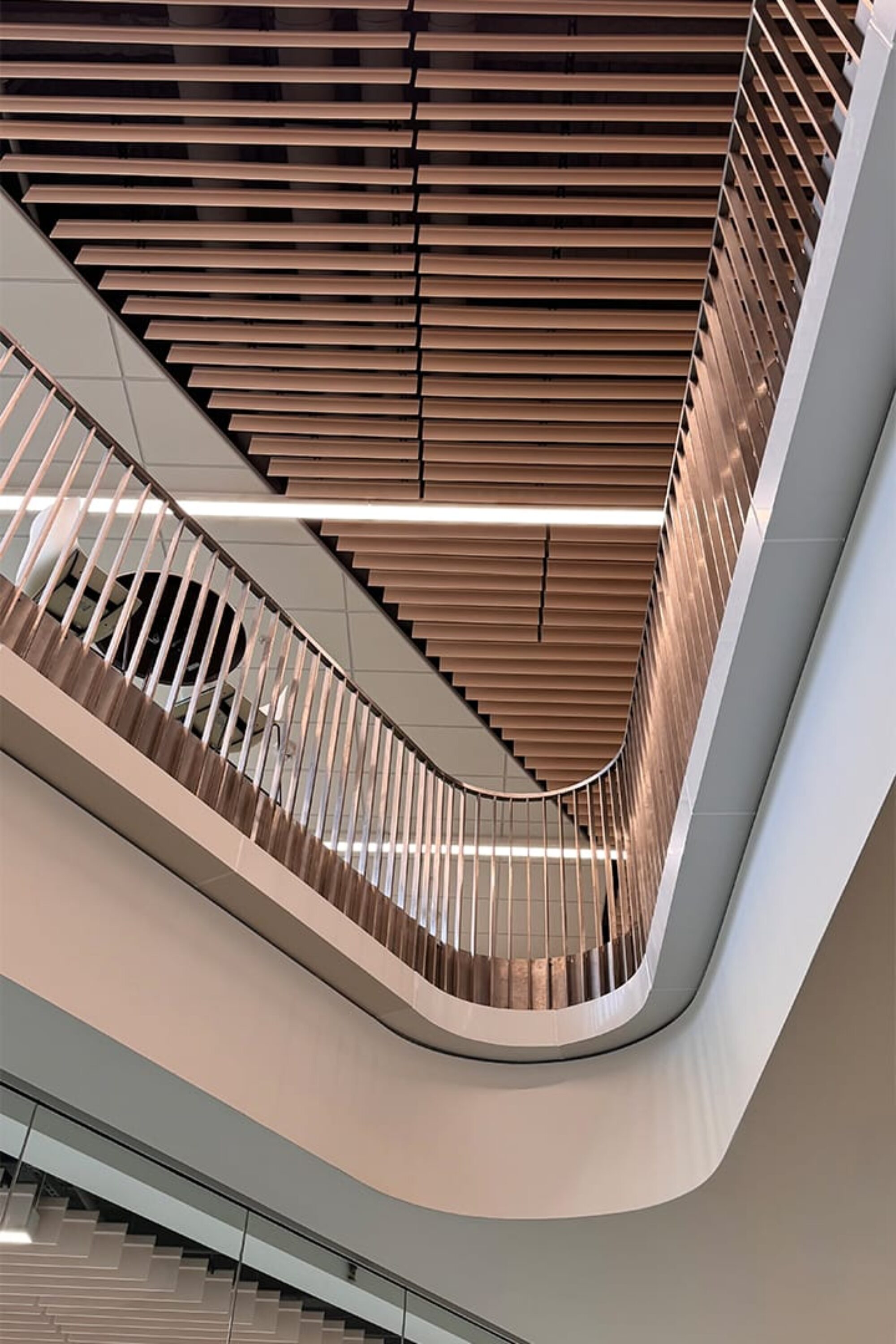
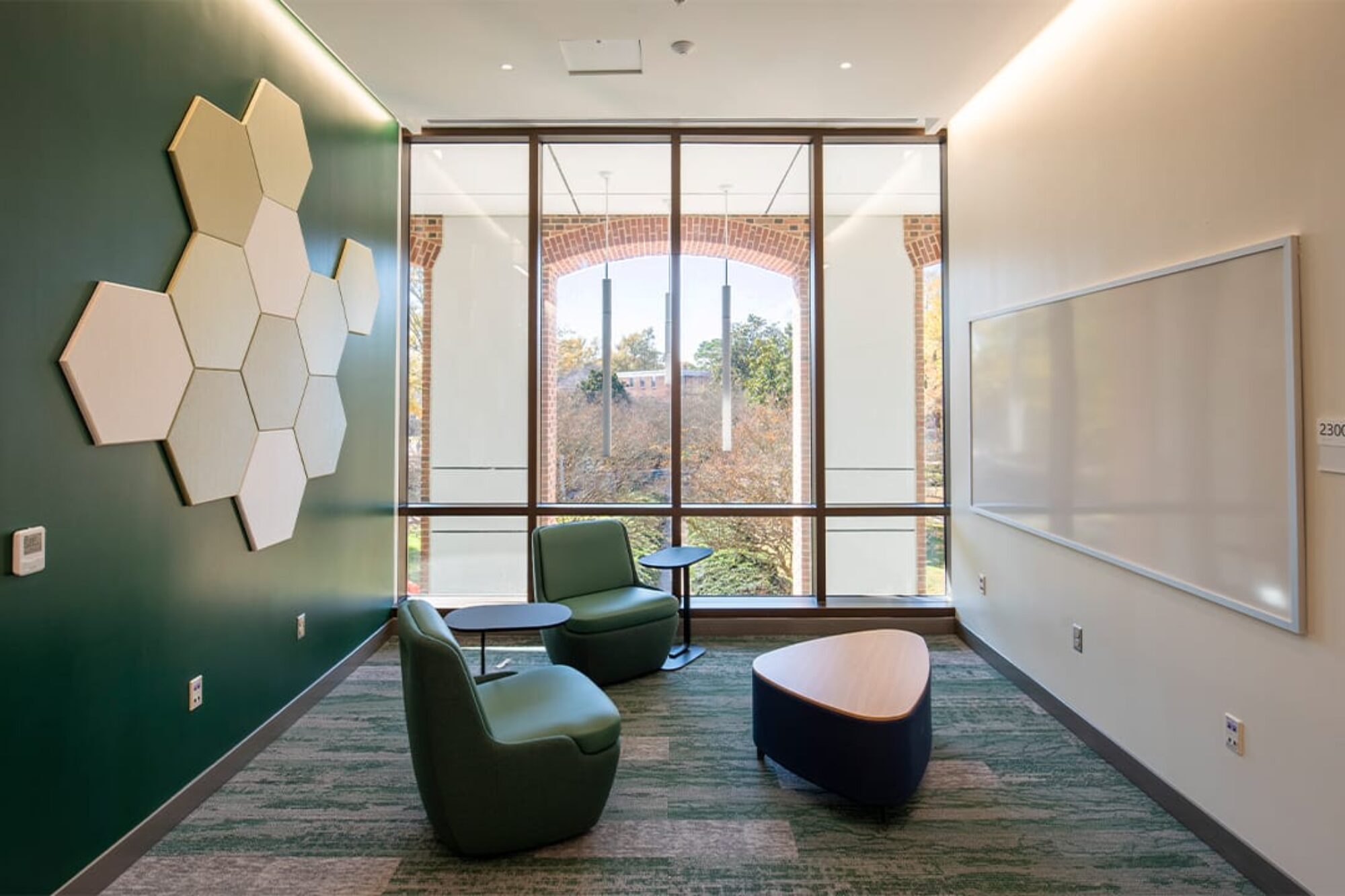
ISC4 houses some of the most computationally intensive work on campus. We wanted the building to offer moments of openness—views to the quad, access to the courtyard—that support well-being and, ultimately, better thinking.
A foundation for the future of STEM
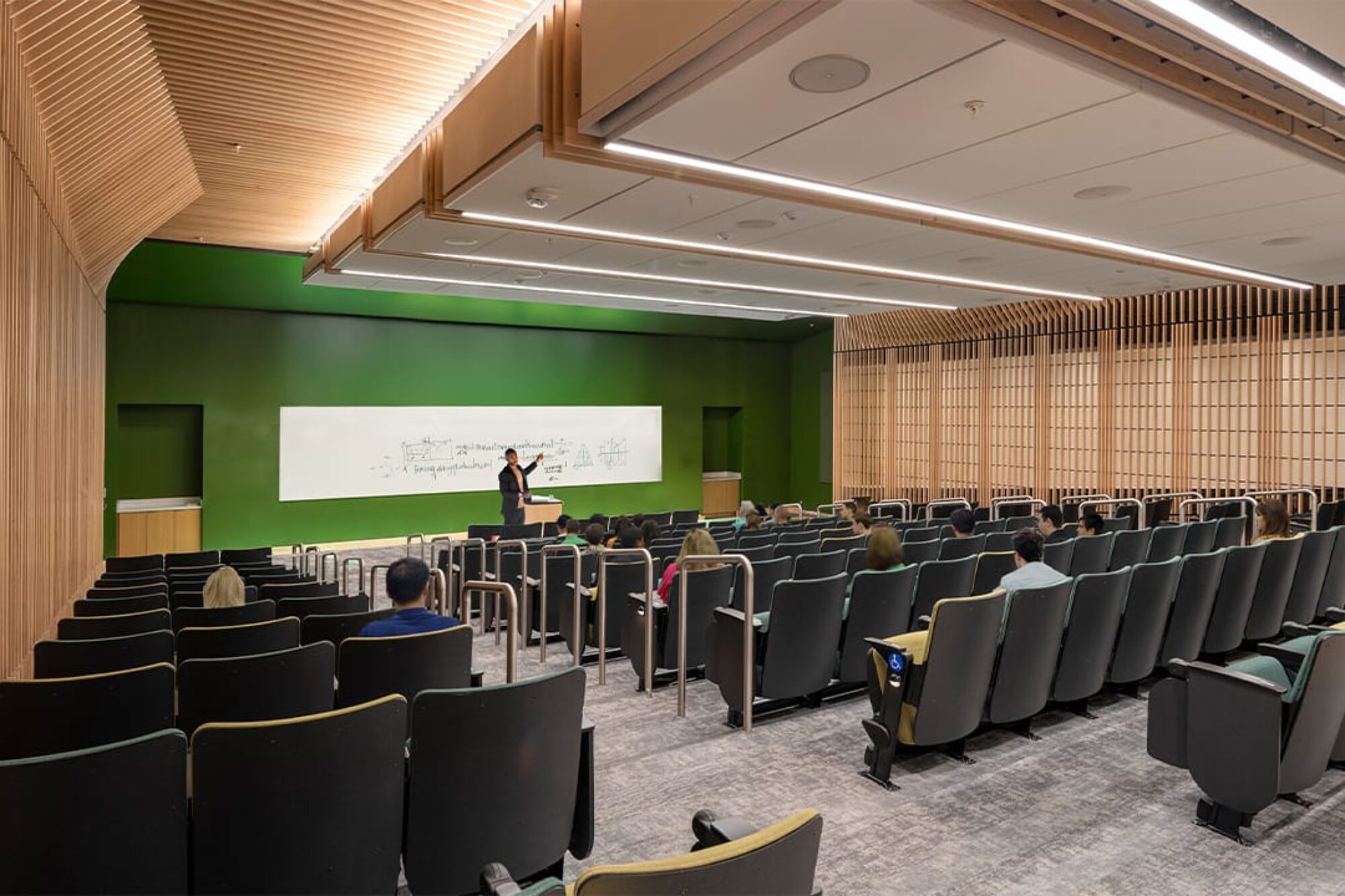
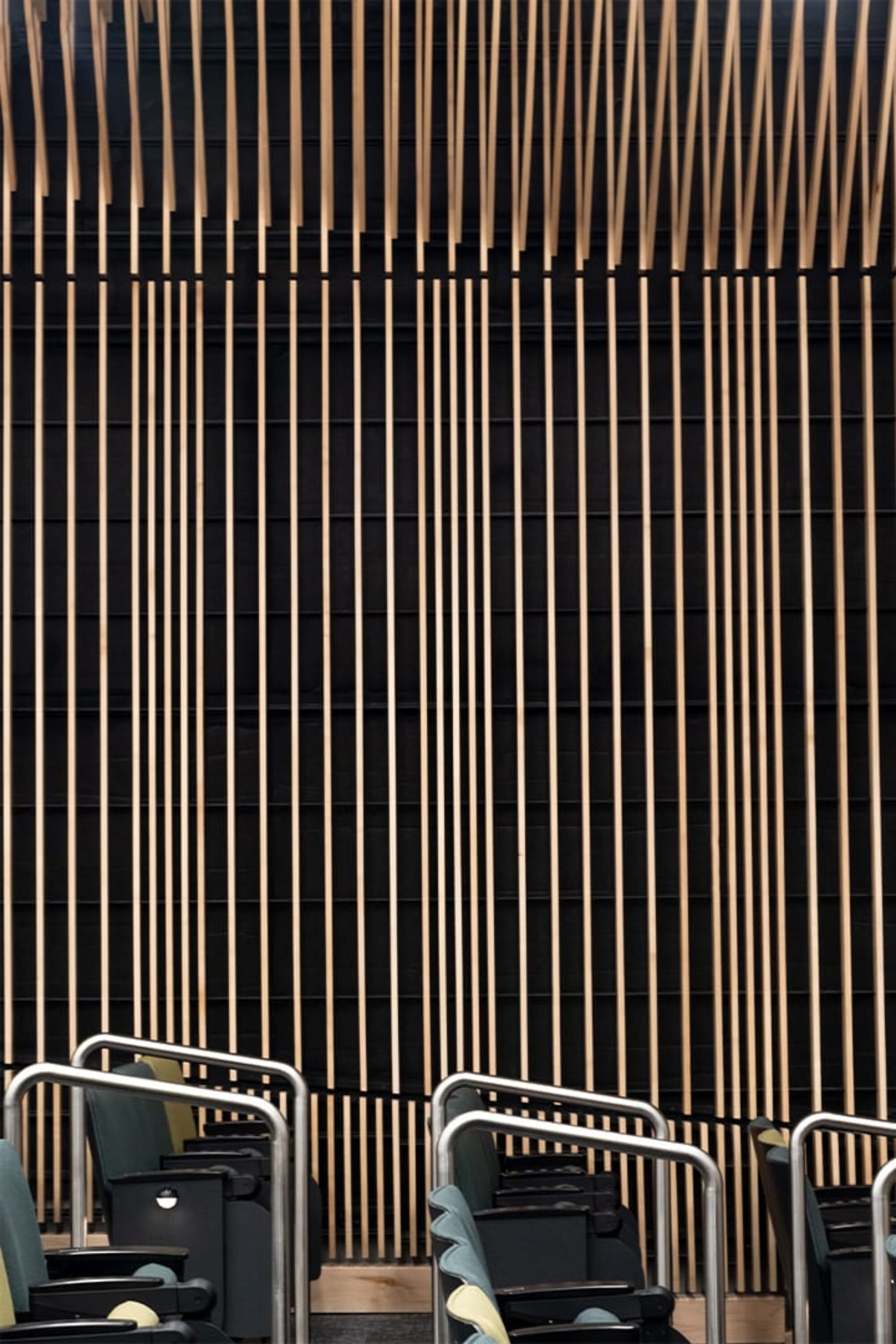
By uniting classrooms, research laboratories, makerspace environments, and shared collaboration spaces in a cohesive whole, ISC4 establishes a foundation for the next generation of STEM education at William & Mary. It positions the university for continued growth in computing and engineering and proudly affirms these disciplines as a defining part of the university’s academic identity.
-
10
Interdisciplinary research wet labs that allowed research to relocate from off-campus facilities
-
1M
Yards of CAT6 cable used to connect the state-of-the-art Computer Science research labs with the new server and network
This new facility is more than a building for undergraduate and graduate courses—it’s a catalyst for learning, research, and innovation.
For more information on this page:
Collaborators
Baskervill
Project Team
2RW
Ambient Air
Core Studio Design
Dunbar
Froehling and Robertson
GHD
Heller & Metzger
HLB Lighting
Jensen Hughes
JMT
Mohar Design
NV5
PAGE Associates
Sustainable Design Consulting
TCT Cost Consultants
Thornton Thomasetti
TRC
Photography
Baskervill
Goody Clancy
Related Content
-
Now Open: Integrated Science Complex 4 at William & Mary
Read on news.wm.edu -
 Science + Technology•Teaching + LearningEnergy performance exemplarIrving Institute for Energy and Society, Dartmouth College
 -
 DESIGN PROCESS
Designing for Discovery: How Makerspaces Advance Convergence Research
 Jefferson PoolePrincipal